Establish the cost plan
We review the brief, drawings and budget, then record the main allowances, exclusions and risks so you know which figures to check before committing.

Quantity surveying
Get cost planning, tender advice and commercial support through construction. We help you test budgets, compare tenders and track the likely final cost as the project changes.
Professional expertise.
A structured approach.


Developers · Lenders · Investors
Cost clarity. Commercial confidence.

About the service
Quantity surveying helps you understand what a project should cost and keep track of what you’re likely to pay. As designs develop, contractor prices come in and changes happen on site, we show you what has moved and what it means for your budget.
At The QS Company, our RICS-regulated practice provides independent cost advice from feasibility to final account. Our Development Cost Assurance Framework (DCAF) connects the stages of a development so the decisions behind your budget carry through to the build.
The scope of support
Appoint us for the full development or a specific stage. Explore each area to see what we do and what it helps you decide.
Before you commit to a site or design, we test the likely construction cost against the information available. We benchmark the scheme, set out allowances and exclusions, and identify costs that need further investigation. You get a cost plan you can use to test viability and brief the design team.
As drawings and specifications develop, we update the cost plan and show what changes mean for the budget. We compare options with the design team so you can see what each choice is likely to cost before going to tender.
We help choose a procurement route, prepare the pricing information and review contractors’ returns. We compare what each bidder has allowed for, identify qualifications or gaps and clarify the commercial differences. You can then choose a contractor with a clear view of what their price covers.
During the build, we assess the value of work completed, review changes and update the expected final cost. We can also forecast cash flow and flag emerging cost pressures, so you can see what has been spent, what is committed and what still needs an allowance.
We work with the design team to identify where alternative materials, specifications or methods could give you better value. We compare the likely cost alongside buildability, performance and programme, so the team can decide which options to develop and check before changing the design.
We review the original contract sum alongside agreed changes, allowances and other adjustments. We reconcile the supporting records, explain any items that still need to be resolved and help you reach an agreed final account with a clear record of how the total was arrived at.
How it works
We review the brief, drawings and budget, then record the main allowances, exclusions and risks so you know which figures to check before committing.
As the design develops, we price changes and compare tenders so you can see what each contractor includes and where the quoted prices could change.
During construction, we review valuations and changes, then update the forecast so you can track your likely final cost through to the agreed account.
Our signature framework
A full quantity surveying appointment can take you from opportunity assessment to final account. We assess the opportunity, test the budget, review the design, compare tenders, clarify contract risks and track costs through construction. Where agreed, we can also assess costs once the building is in use.
Each stage records what changed and why. If you need help with one stage, we apply the checks that fit the work.
Explore the seven DCAF stagesDCAF
Development Cost
Assurance Framework
Developed by The QS Company.
Applied to the decisions that matter to you.
Who do we work with?

Test whether a scheme stacks up before committing, then see what changes to the design or build could mean for your margin.
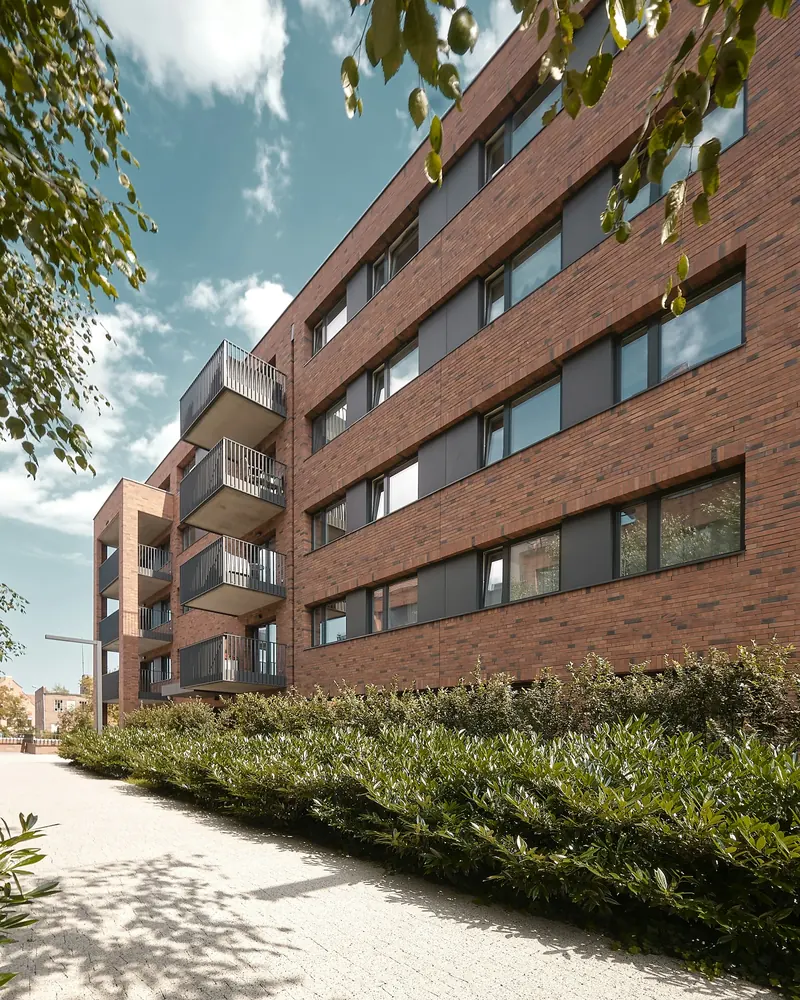
Understand what a conversion, refurbishment or new build could cost and which assumptions matter most to the investment.

Give your project team a shared cost plan to compare options and manage changes on site.
Experience that matters
Led by Jake Suthers, whose commercial management experience spans residential and commercial construction projects across the UK and Dubai, bringing a broader perspective to the decisions behind each development.











Common questions
Early input can help test your construction-cost assumptions before significant design or acquisition commitments. We can also discuss support for projects already in design, procurement or construction.
Yes. A cost assessment, procurement review or other focused brief can be discussed without committing to a full project appointment.
No. A cost plan is based on the scope, information, assumptions and market conditions at the time. Reporting should make allowances, exclusions and changing risks clear.
Send any drawings, a short description of the works, your current budget and the next decision or deadline. Early information is enough to start a conversation.
Giving back
Supporting LionHeart and committed to a 1% giving pledge.

