Share the opportunity
Share the location, intended scheme, available plans and draft appraisal. We agree which cost questions matter most to the decision you’re working towards.

The Deal Desk
Bring us one site, conversion or development opportunity. We’ll review the cost assumptions and flag what needs a closer look before you decide whether to take it further.
Professional expertise.
A structured approach.


Developers · Lenders · Investors
Cost clarity. Commercial confidence.

About the service
The Deal Desk is an early cost review of a specific development opportunity. We test the assumptions in your appraisal and identify which gaps could change whether a site, conversion or new build is worth pursuing.
The QS Company brings independent quantity surveying and commercial experience to that first decision. We agree the questions you need answered and give you a focused review with practical next checks, so you can direct your due diligence where it matters.
The scope of support
We agree what you need from the appointment and which areas of support fit your brief.
We review one named opportunity against the information available, such as the site address, proposed use, early drawings and draft appraisal. The review focuses on the cost questions that could materially change your decision to proceed.
We compare the main construction allowances with relevant cost benchmarks and explain where the scheme differs. This gives you a sense of which figures are reasonable for early appraisal and which may need more detailed pricing.
We review the commercial assumptions that underpin your appraisal, including scope, contingencies and allowances for abnormal works. Where information is missing, we explain what has been assumed and how that could influence the decision.
We identify early cost risks such as uncertain site conditions, gaps in the proposed scope or constraints on how the works might be delivered. We distinguish between issues that need an immediate check and those that can be investigated later.
We summarise the main findings and the assumptions behind them in a concise opportunity assessment. You can use the findings to discuss next steps with your team or decide whether to commit further time and fees.
We set out which surveys, design work or pricing checks would make the biggest difference to your decision. If the scheme moves forward, those priorities give the next adviser a clearer brief and a record of the questions already considered.
How it works
Share the location, intended scheme, available plans and draft appraisal. We agree which cost questions matter most to the decision you’re working towards.
We benchmark the main cost items and review the appraisal assumptions, then flag information gaps or site risks that could change the viability of the deal.
We explain which assumptions to check and what further work would improve your view, so you can decide whether to investigate, renegotiate or proceed.
Our signature framework
The Deal Desk uses the first two stages of our Development Cost Assurance Framework (DCAF). We look at what the site could support and test early construction costs against the information you have.
The outcome is a clearer view of what to investigate next, whether that is design, surveys, pricing or the terms of the deal.
Explore the six DCAF stagesDCAF
Development Cost
Assurance Framework
Developed by The QS Company.
Applied to the decisions that matter to you.
Who do we work with?
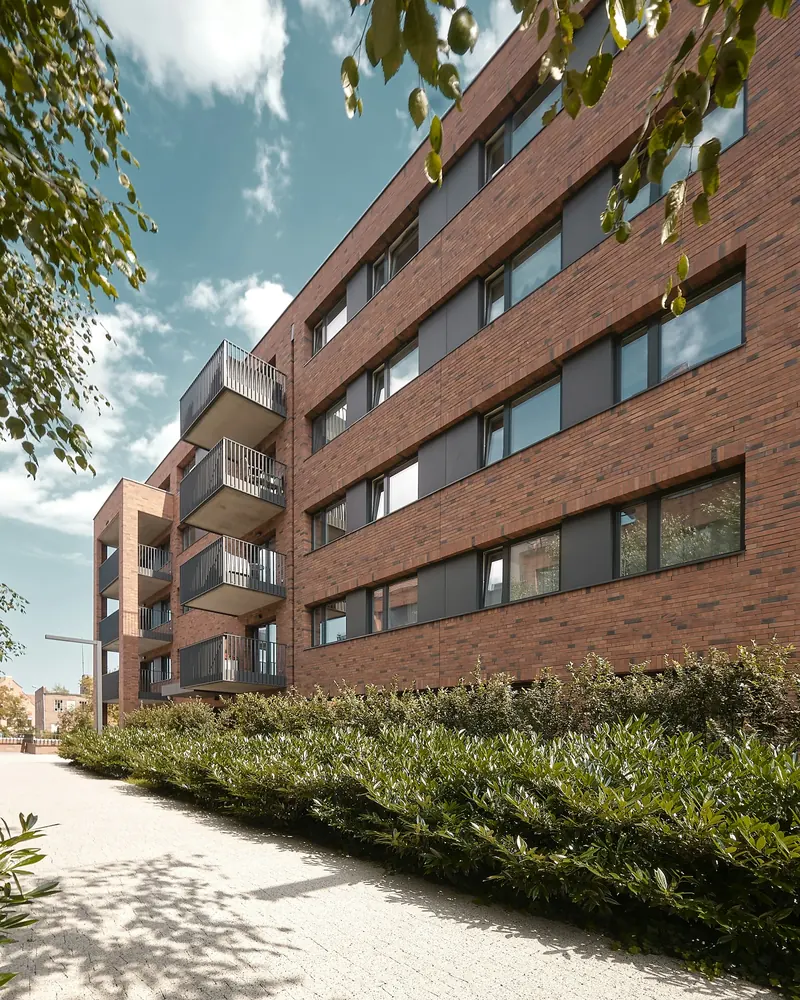
Test early construction costs before you commit to buying a site.

See which building risks could change the cost of a conversion.

Decide which cost assumptions to check before making an offer.
Experience that matters
Led by Jake Suthers, whose commercial management experience spans residential and commercial construction projects across the UK and Dubai, bringing a broader perspective to the decisions behind each development.











Common questions
Share what you have, even if it’s an address, a short brief and an early appraisal. We’ll explain what we can reasonably assess from that information.
The Deal Desk is an early review of one opportunity. It identifies material assumptions and what to investigate next. A detailed cost plan can follow when the design and brief support it.
Yes. Tell us the existing use, the proposed scheme and what is already known about the building. We’ll flag information gaps that affect the review.
We agree the output when we scope the work. It can include a concise opportunity assessment with the main cost assumptions, areas of uncertainty and the next checks worth making.
Giving back
Supporting LionHeart and committed to a 1% giving pledge.

