Agree the timeframe
We agree the assessment period, the building systems to include and the decision the figures need to inform, such as a design or investment choice.

Operational life cycle costs
Compare maintenance, running and replacement costs over an agreed period. See where a design or specification choice could change what you spend after handover.
Professional expertise.
A clearly defined scope.


Developers · Lenders · Investors
Cost clarity. Commercial confidence.

About the service
A cheaper design can cost more to run, maintain or replace. We compare those costs over an agreed period, so you can see when major spending is likely and weigh it against the upfront saving.
The QS Company applies construction cost experience to the information you have about the building and its intended use. We explain the assumptions behind the forecasts and compare options on a consistent basis so your team can make an informed decision.
The scope of support
We agree what you need from the appointment and which areas of support fit your brief.
We estimate planned maintenance costs for the elements included in the brief. The assessment sets out the assumed maintenance cycles, timing and cost basis, making it easier to identify where spending may be concentrated.
We consider when selected building elements or systems are likely to need replacing and what that work might cost. We make assumptions about service life and replacement timing visible so they can be reviewed as information improves.
We forecast the agreed categories of running expenditure using the available design or asset information. We show the basis of the figures and where actual usage or future prices could change the outcome.
We set out when significant maintenance or replacement costs might fall so you can plan future capital expenditure. The output helps the team understand which years or systems are likely to place the most pressure on the budget.
We compare selected specifications or design choices using the same assessment period and assumptions. The comparison helps the team see where a higher initial cost could be balanced by lower running, maintenance or replacement expenditure.
We bring the agreed cost categories together into a single forecast and record the main exclusions. This gives you a basis for comparing options and revisiting the figures as the design or asset information changes.
How it works
We agree the assessment period, the building systems to include and the decision the figures need to inform, such as a design or investment choice.
We use available design, asset and maintenance information to forecast running costs, planned maintenance and replacements, with the key assumptions recorded for review.
We compare the options on a consistent basis and explain when expenditure might fall, what drives the result and where further evidence would help.
Who do we work with?

Compare the upkeep costs of different specifications.

See when major costs could arise and how much to set aside.
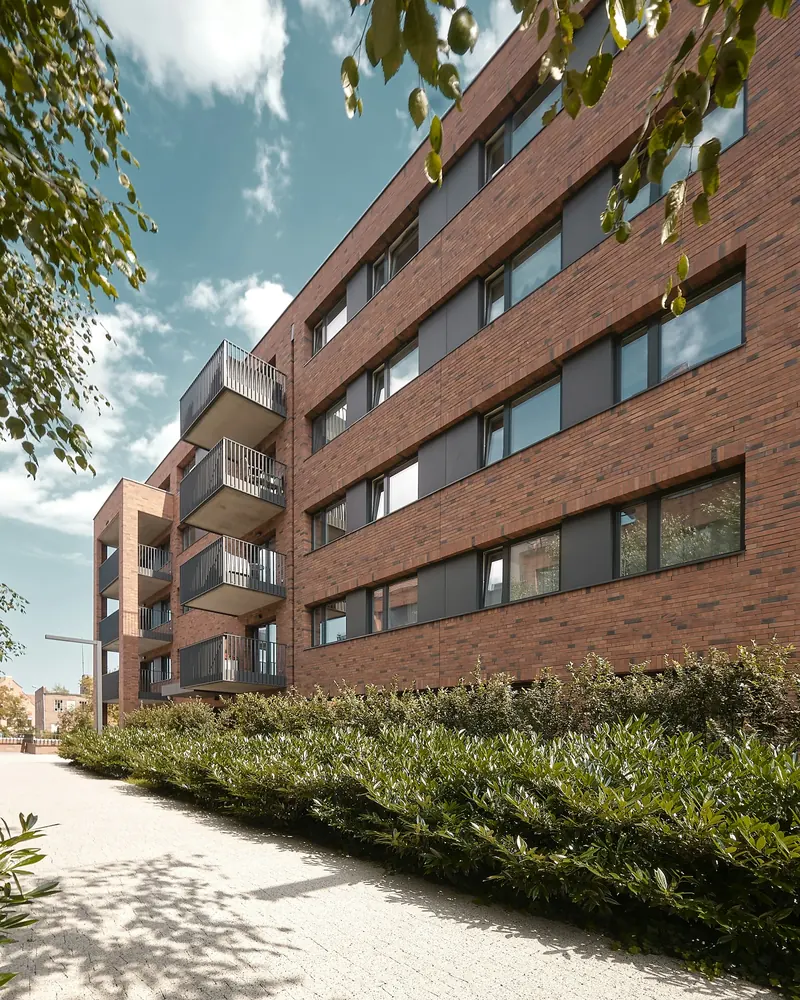
Plan maintenance and budget for major building replacements.
Experience that matters
Led by Jake Suthers, whose commercial management experience spans residential and commercial construction projects across the UK and Dubai, bringing a broader perspective to the decisions behind each development.











Common questions
Yes. An agreed assessment can use asset records, specifications and maintenance history, with assumptions made clear where information is limited.
We agree a period that suits your decision and the available information. The report sets out when major expenditure could occur and which assumptions affect the forecast.
Yes. We can compare their forecast cost of operation, maintenance and replacement on an agreed basis, so the differences are easy to see.
We agree the cost categories and assessment period at the start. The output sets out the forecast, assumptions and any exclusions, with comparisons if you are assessing alternatives.
Giving back
Supporting LionHeart and committed to a 1% giving pledge.

