Set the scope
We agree the decision or project stage in scope, then gather the relevant budgets, procurement information and contracts to establish what the review should cover.

Commercial risk management
Get an independent review of the assumptions, procurement and contract risks that could affect your budget. Know what to address first and where you need more evidence.
Professional expertise.
A structured approach.


Developers · Lenders · Investors
Cost clarity. Commercial confidence.

About the service
When assumptions change, you need to know which risks could affect your budget or contract. We assess the likely impact, identify who can act and show where more evidence would help you decide what to do next.
The QS Company brings independent quantity surveying and procurement experience to the review. We focus on the risks that matter to the decision in front of you and set out practical actions the project team can take forward.
The scope of support
We agree what you need from the appointment and which areas of support fit your brief.
We review the cost plan, project records and assumptions behind the decision in front of you. We identify material risks, explain how they might arise and distinguish between issues that require action now and those to monitor.
We compile a clear record of risks, their potential effects, and the people or actions needed to address them. The register can be reviewed as the project changes, so agreed actions and remaining exposure are visible.
We review the commercial information and controls in use on the project. This can highlight gaps in the way costs, changes or commitments are recorded and help the team decide where checks or clearer responsibilities would improve visibility.
We assess the information and unresolved issues before an important decision such as going to tender or awarding the contract. We explain which risks remain open and what evidence would help you make the decision with greater confidence.
We assess the potential cost implications of agreed risks where the available information supports an estimate. The assessment makes clear what has been included, which figures are indicative and where the exposure still needs investigation.
We review procurement and contract information to identify where responsibilities, allowances or exclusions could lead to additional cost. The review helps you focus discussions and clarify the allocation of risk before committing to the next step.
How it works
We agree the decision or project stage in scope, then gather the relevant budgets, procurement information and contracts to establish what the review should cover.
We assess the material risks and explain where the available information indicates a potential impact on cost, timing, responsibilities or the next project decision.
We record the findings, who needs to act and what to revisit as the project changes so the team can keep track of its exposure.
Our signature framework
DCAF helps us revisit commercial exposure as the project moves from budget and design through tender, award and construction.
The relevant checks show which risks have changed, how they may affect the next decision and which actions still need an owner.
Explore the six DCAF stagesDCAF
Development Cost
Assurance Framework
Developed by The QS Company.
Applied to the decisions that matter to you.
Who do we work with?
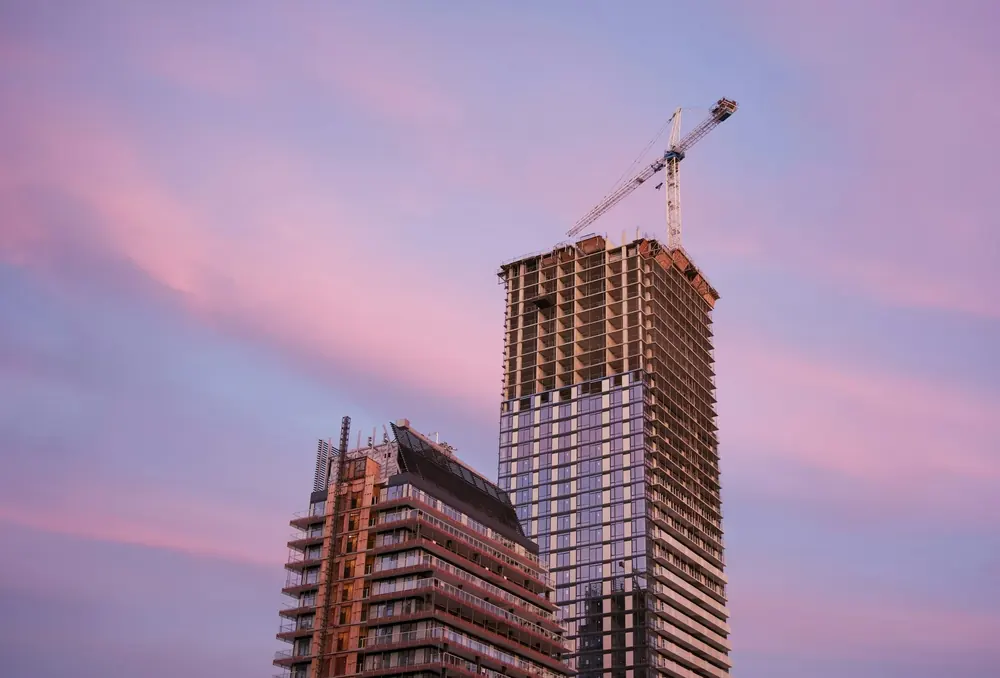
Test the risks behind your budget before you commit to a scheme.

Get an independent view of what could change development costs.

Focus on the risks most likely to affect costs or the programme.
Experience that matters
Led by Jake Suthers, whose commercial management experience spans residential and commercial construction projects across the UK and Dubai, bringing a broader perspective to the decisions behind each development.









Common questions
Yes. We can discuss a single review ahead of a decision or regular follow-ups where the project needs ongoing commercial oversight.
We agree the output at the start. This can be a risk register or a commercial assessment with priorities, recommended actions and the information still needed.
Routine reports track the project’s financial position. A commercial risk review looks specifically at what could change that position and where action may reduce the exposure.
Tell us what decision or concern prompted the review. Share the latest cost report, programme or procurement information where available, together with the date you need to act.
Giving back
Supporting LionHeart and committed to a 1% giving pledge.

